

A new way to explore
contemporary art and ideas
What does community mean in hyper-individualistic societies?
Artists highlight collective practices that challenge isolation and build new forms of social cohesion.
[ e-flux ]
[ e-flux ]
Closing Editorial
A “supercommunity” names an enforced, post-humanist togetherness defined less by solidarity than by coerced proximity, bad-faith intimacy, and the collapse of liberal-progress narratives into an apocalyptic present where life/death and human/nonhuman boundaries destabilize. Drawing on ecological entanglement, media-technological mediation, and critiques of late liberal governance, it frames contemporary sociality as powered by corruption and opacity, while art and information become speculative instruments within a world-machine that is ungovernable and newly animated.
Read more

[ e-flux ]
[ KADIST ]
[ KADIST ]
Gated Commune
Gated Commune stages a speculative clash between neo-primitive and techno-futurist design ideologies to expose how sustainable-development rhetoric and branding produce environments that are formally coherent yet socially dysfunctional, foreclosing rest, encounter, and genuine freedom through managed spatial scripts. By critiquing Anthropocene human-centeredness and the technocratic language that claims accessibility while serving opaque interests, the work frames sustainability discourse as a politics of design, governance, and exclusion.
Read more

[ KADIST ]
[ KADIST ]
[ KADIST ]
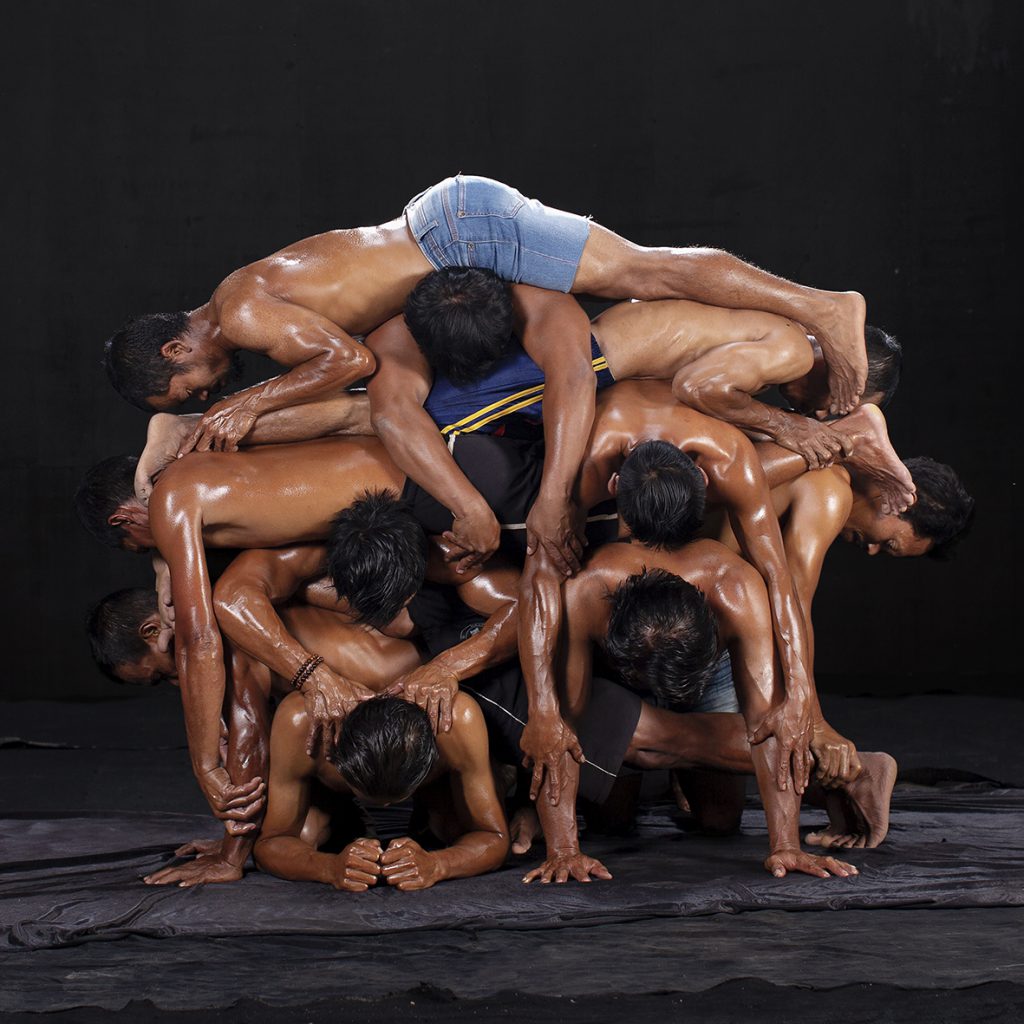
Beben
A community-based bodybuilding contest reframes labor-sculpted bodies as collective cultural capital, using the modular logic of roof tiles to theorize solidarity, interdependence, and pride within an ailing rural industry tethered to earth, craft, and kinship economies. By détournement of a machismo- and individualism-coded spectacle, the project operates as socially engaged, research-driven practice that critiques cosmopolitan fitness regimes and instrumentalizes art as pedagogy, translating environmental-material relations into participatory ritual and knowledge dissemination.
Read more
[ KADIST ]
[ e-flux ]
[ e-flux ]
Fragments Toward an Understanding of a Week that Changed Everything …
Aesthetic critique is retooled into collective praxis as artists, students, and educators exit institutionalized “radical” discourse to build occupations, teach-ins, and horizontal infrastructures that figure a cultural–political commons against austerity, privatization, and the managerial capture of culture.
Embodied confrontation with policing (kettling) becomes a lived lesson in biopolitics and the state of exception, collapsing art/activism binaries and exposing spectacle’s mediation while experimenting with anti-authorial forms of organization, solidarity, and joyful de-division of labor.
Read more
[ e-flux ]
Back to top