

A new way to explore
contemporary art and ideas
How does art reveal the emotional landscape of politics?
Artists uncover feelings—fear, hope, grief—that underpin political life.
[ KADIST ]
[ KADIST ]
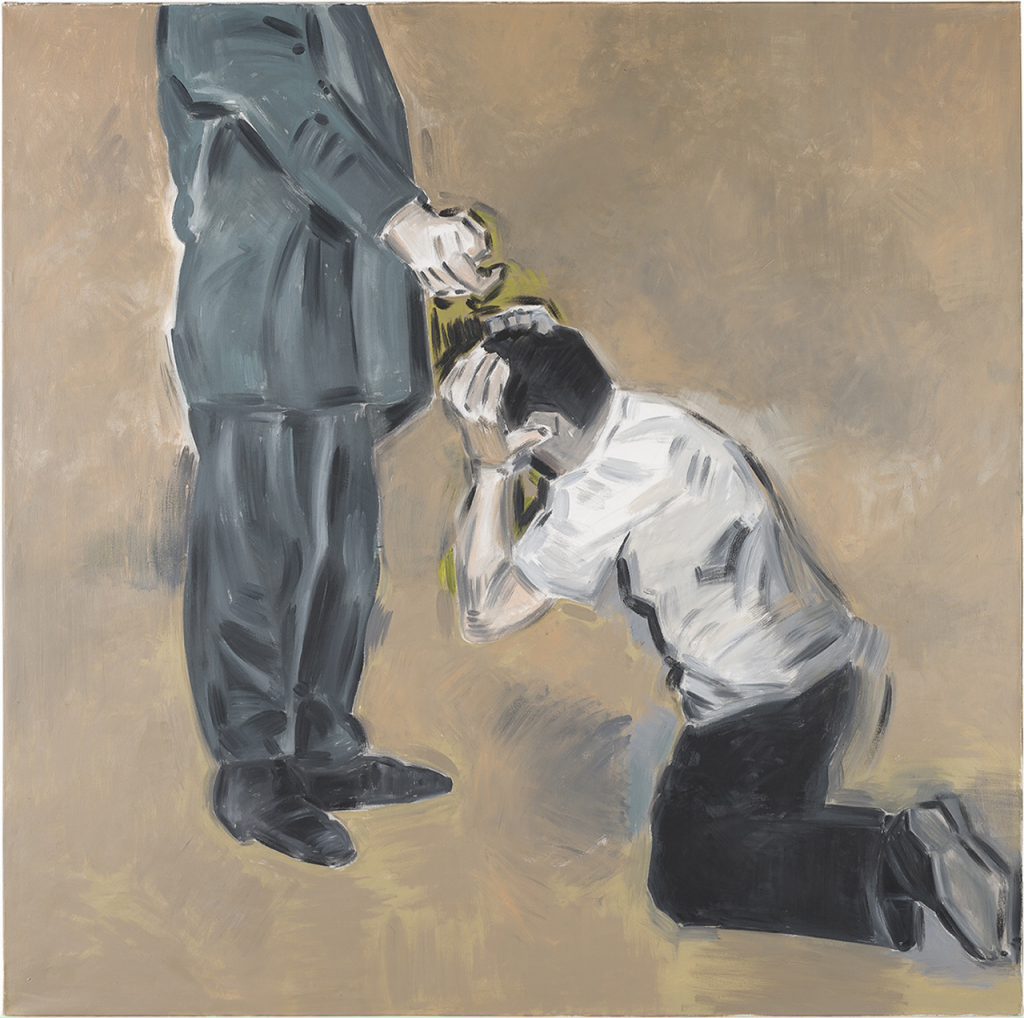
Untitled
A cinematic tableau of implied violence stages power as psychological and moral coercion, allegorizing systemic crisis across intimate relations and the Greek socio-political landscape under EU austerity pressures. Through pared-down figuration and tragi-comic ambiguity, the work frames modern subjectivity as anxious, atomized, and media-saturated, insisting that painting’s political force lies in its capacity to generate tension that disrupts indifference.
Read more
[ KADIST ]
[ e-flux ]
[ e-flux ]
REVOLUTION+1: An Interview with Masao Adachi
Frames REVOLUTION+1 as an urgent cinematic intervention that collapses the art/politics divide, staging the Abe assassination as a crisis of self-determination under a collapsing democratic-capitalist order and refusing moral binaries about violence by foregrounding contradiction and audience judgment.
Reworks Adachi’s “landscape theory” from external vistas of state power to an interiorized, commodified social terrain, using docudrama fused with surrealist-anarchist stylization to show how contemporary subjects experience entrapment as both psychic and infrastructural walls that can only be confronted through individuated, precarious acts.
Read more

[ e-flux ]
[ e-flux ]
[ e-flux ]
Emotional Patterns in Art in Post-1949 China, Part II: Internality and Transcendence
Emotion in post-1949 Chinese art operates as a historically conditioned mediator between individual interiority and socialist collectivist “truth,” producing a dialectic of sincerity and regulation in which sketches, marginal genres, and moments of stylistic plurality become sites of partial transcendence within (not simply against) the official framework.
This dynamic is theorized through debates on realism/romanticism, innovation, and subjectivity—where the state’s project of self-transformation both modernizes and disciplines the artist—then extended to post-1990s conceptual practices that mobilize affect beneath an ostensibly cold surface to critique globalization, commercialization, identity prescriptions, and new hegemonies.
Read more

[ e-flux ]
[ KADIST ]
[ KADIST ]
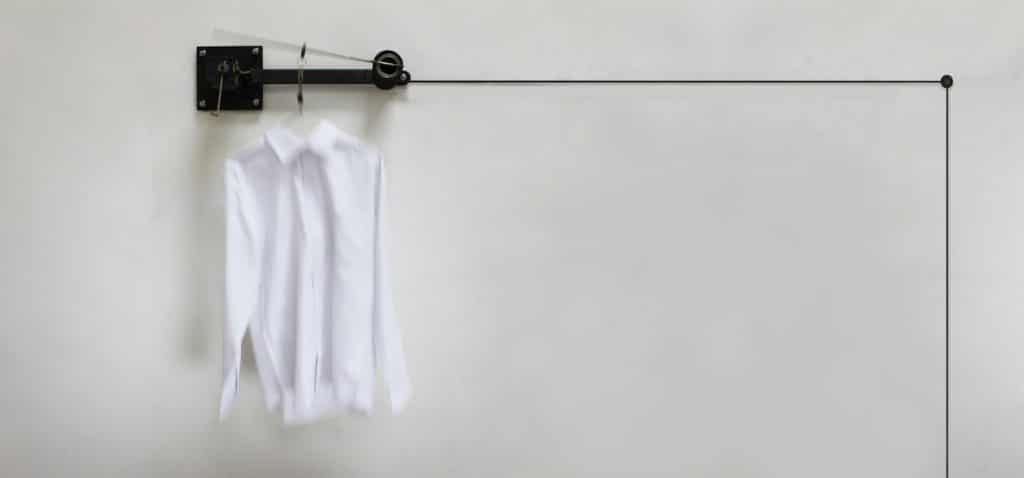
Action No. 1
Mechanical, semi-human gestures stage a porous boundary between interiority and exteriority, rendering the body as a technological assemblage where affect and perception are mediated by apparatuses.
Through everyday behaviors and spatial/urban codes, the work critiques how contemporary Chinese social, economic, and political structures script privacy, agency, and collective memory, aligning with posthuman and biopolitical frameworks.
Read more
[ KADIST ]
Back to top