
A new way to explore
contemporary art and ideas
How do cities become sites of resistance?
Urban art practices expose gentrification, displacement, and the contested ownership of shared public spaces.
[ KADIST ]
[ KADIST ]
Land Mark (Foot Prints) #10
Site-specific protest is reframed as a form of mobile printmaking: activists’ slogan-imprinted shoe soles convert walking into an ephemeral inscription practice that documents dissent on militarized, contested land. The work mobilizes questions of sovereignty, preservation, and the ethics of land use, critiquing imperial occupation by showing how everyday objects and bodily movement can re-mark territory and redistribute political visibility.
Read more

[ KADIST ]
[ e-flux ]
[ e-flux ]
Swim to Us
A montage of oceanic drift, dismembered sneakers, protest tactics, and colonial/paramilitary “phantom cells” links circulation (currents, commodities, data) to necropolitical violence, showing how capitalism and white supremacy convert bodies into evidence, spectacle, and branded debris. Against this regime of legibility and capture, the text proposes a counter-practice of becoming “no one” (deaccessioning identity, refusing aesthetic consolation) through tactical anonymity, deep listening, and insurgent reimagining that treats geology, plants, and ghosts as allies in dismantling imperial order.
Read more

[ e-flux ]
[ e-flux ]
[ e-flux ]
In Conversation with Raoul Vaneigem
Refusal of dialogue with state power and the spectacle becomes a program of civil disobedience, self-managed councils, and a gift-based “freeness” that would replace commodified survival with an art of living grounded in desire, poetry, and direct democracy. Situationist legacies (psychogeography, dérive, construction of situations, détournement) are reactivated as critiques of urbanism, work, and patriarchal market civilization, proposing ecological reappropriation and the reinvention of everyday life as the site where a post-capitalist human civilization can be constructed.
Read more
[ e-flux ]
[ KADIST ]
[ KADIST ]
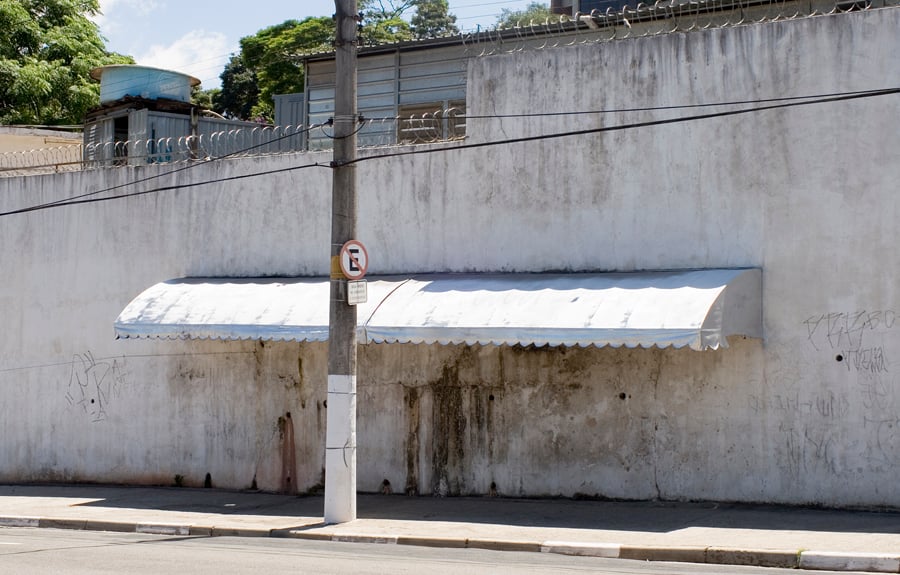
Realização impossível ou o poder como soma de seduções 2 (Impossible Accomplishment or the Power as Addition of Seductions 2)
Urban dérive and chance encounter become a method for extracting “street poetry” from banal incongruities, aligning Cidade’s photographic interventions with Surrealist/Situationist legacies while framing the city as a mutable, universally legible semiotic field. Power is theorized not as domination but as an affective accumulation of sensual attentiveness and micro-resistances in public space—an ethics of (re)existence enacted through peripheral, interstitial actions that critique constraint and reconfigure the public/private nexus.
Read more
[ KADIST ]
Back to top