

A new way to explore
contemporary art and ideas
Care as resistance
Gestures of care—intimate or communal—emerge as strategies to confront violence, oppression, and inequality.
[ KADIST ]
[ KADIST ]
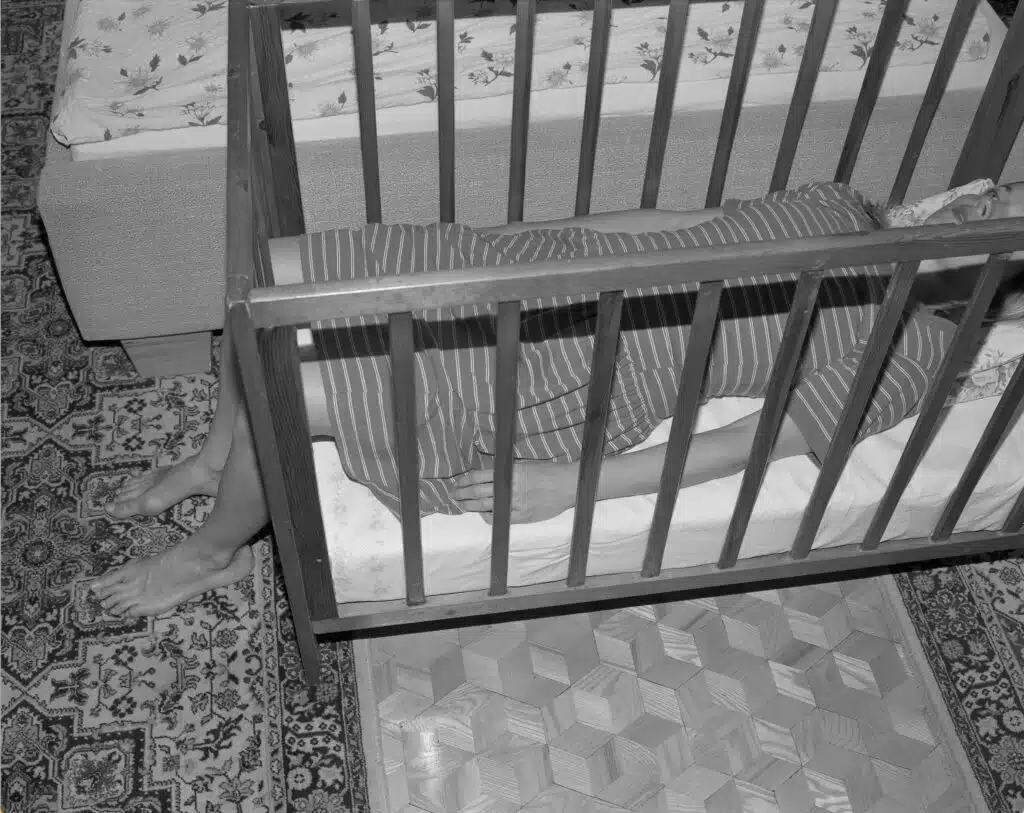
Untitled
Staged black-and-white domestic tableaux render the home as a site of containment where female bodies perform ambiguous gestures of care, self-protection, and coercion, destabilizing the boundary between benign intimacy and latent threat. Drawing on self-defense manuals and Carol Gilligan’s feminist psychology, the work externalizes patriarchal pressures through an absent adversary, reframing silenced agency as corporeal struggle within everyday power structures shaped by culture, politics, and history.
Read more
[ KADIST ]
[ e-flux ]
[ e-flux ]
Beatings
Domestic beating is staged as a socially legible “comedy” and household governance, where paternal authority polices the boundary between sanctioned discipline and disavowed violence, exposing how language and spectatorship normalize harm. The poem critiques familial and cultural logics that render children beatable bodies and recast maternal affect as “incapable of violence,” tracing how power, gendered hysteria, and the fading of parental roles reorganize intimacy after the beatings end.
Read more
[ e-flux ]
[ e-flux ]
[ e-flux ]
Editorial: “The Collective Body”
Pandemic isolation exposes the “collective body” as a contested biopolitical field where care, immunity, and surveillance are mobilized both to protect life and to intensify neoliberal-authoritarian control, especially across post-socialist and Southern European contexts marked by weakened public institutions and resurgent nationalism.
Against this fragmentation, feminist-led protest cultures and socially engaged art practices propose an emergent, tissue-like collectivity—grounded in solidarity, anti-fascist memory, and ecological interdependence—that resists privatized self-care, canceling logics, and the unequal geopolitical distribution of care.
Read more
[ e-flux ]
[ KADIST ]
[ KADIST ]
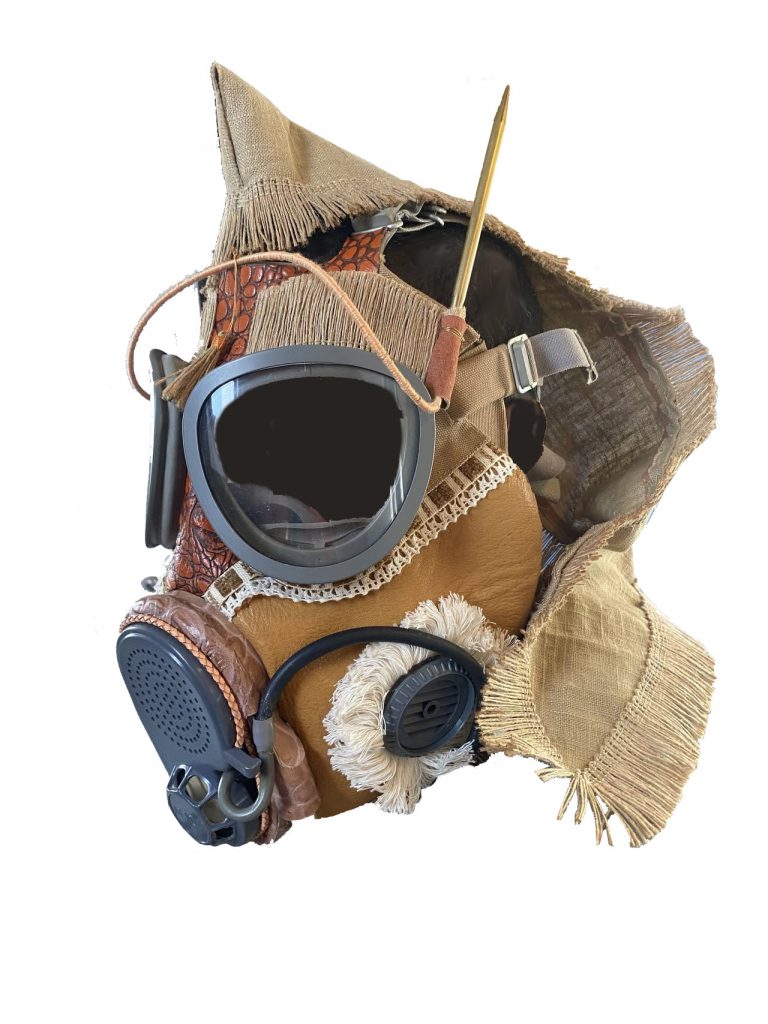
Drought Mask
A speculative, hybridized survival-mask stages climate catastrophe and pandemic-era biopolitics as intertwined regimes of atmospheric threat, where talismanic craft and improvised technology become both protection and critique of the commodified management of health. Mobilizing feminist, diasporic, and mythic sci‑fi imaginaries, the work advances a decolonial futurity that contests homogenizing aesthetics and refigures marginality into resilient agency and cultural transformation.
Read more
[ KADIST ]
Back to top