

A new way to explore
contemporary art and ideas
Can art challenge global capitalism?
Through performance, video, or installation, artists expose the psychological, environmental, and social consequences of market-driven systems.
[ e-flux ]
[ e-flux ]
Editorial—“Alternative Economies”
Post–Cold War capitalism’s claimed ideological victory is reframed as a crisis of valuation, where “economic value” and “actual worth” have long diverged and now collapse into view as global capitalism destabilizes from within. Art’s historically hybrid, exception-based economy—subsidized yet speculative, sustained by solidarities, gifts, commons, and piracy—becomes a model for alternative economies and strategies of autonomy amid austerity and the erosion of institutional support.
Read more
[ e-flux ]
[ KADIST ]
[ KADIST ]
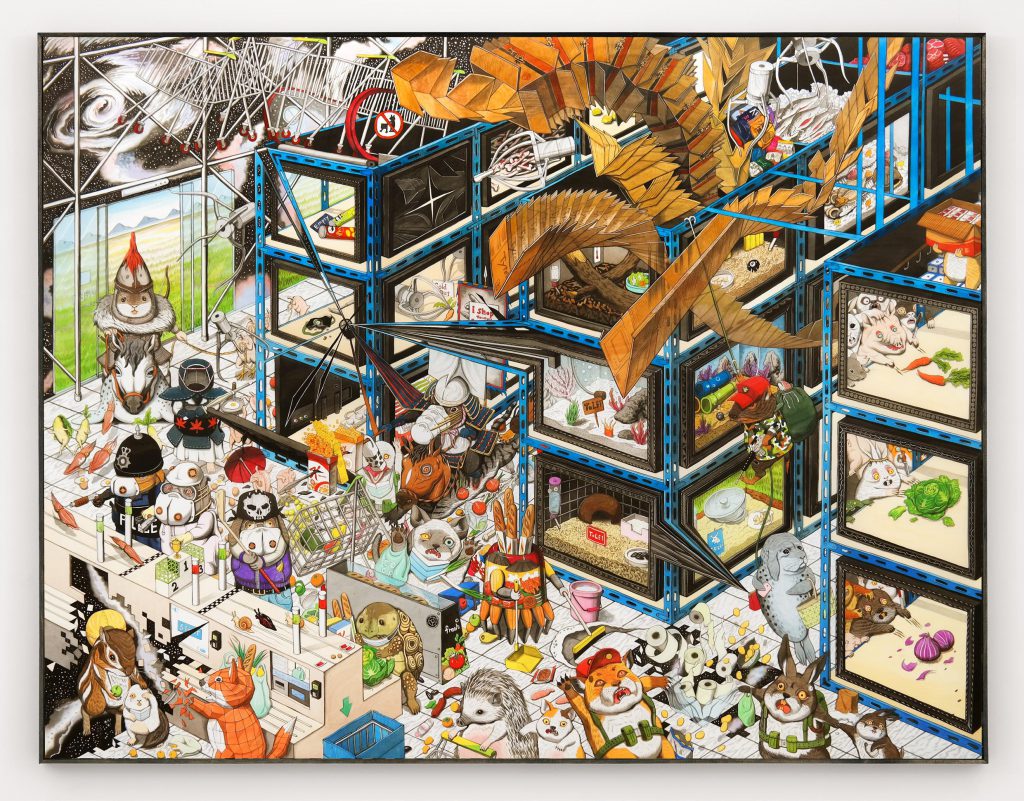
Readymade Flea Market
A simulated “ancestor” reality—framed through Bostrom-style world-simulation theory and rendered as a collapsing 3D graphic space—becomes an allegory for post-liberal political nihilism and the systemic overheating of late-capitalist economies. Anthropomorphic panic-buyers, empty shelves mediated by televisions, and Kruger’s consumerist dictum converge with Korean silk-painting lineage to critique information-age spectacle, neoliberal subject formation, and an eternalized state of emergency where violence and commodity-fetishism appear as normalized social logics.
Read more
[ KADIST ]
[ KADIST ]
[ KADIST ]
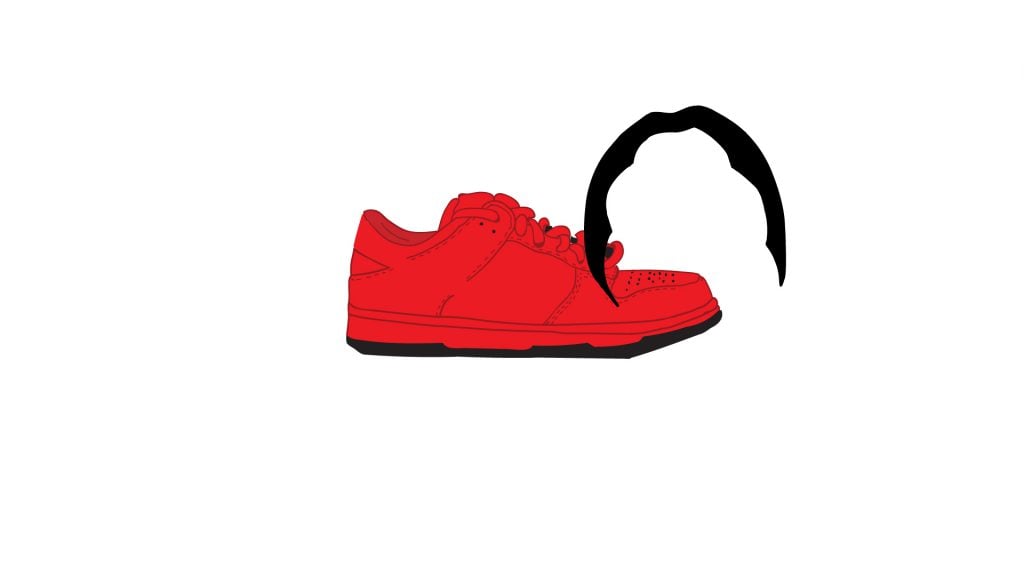
True Red
Capitalist branding is framed as a vampiric apparatus that gentrifies radical aesthetics—co-opting the avant-garde’s red/black iconography and historical fiction to convert subcultural desire into commodity power. Through metamorphic animation linking sneaker, bat, oil, castle, and factory labor, the work mobilizes postcolonial and Marxian critiques of advertising’s production of subjectivity, corporate extraction, and coerced assimilation within global supply chains.
Read more
[ KADIST ]
[ e-flux ]
[ e-flux ]
On Ketamine and Added Value
Maps the shift from oppositional, “outside” models of artistic resistance (punk negation, institutional critique, relational aesthetics) to an immanent condition where critique is structurally recuperated as branding, cultural capital, and “loss leader” value-production within neoliberal markets. Traces how artist-as-role, commodity-driven “aspirational aesthetics,” and K-HOLE’s trend-forecasting practice expose the conversion of sincerity, community, and even brand-inclusive art into affective labor and earned media, collapsing the boundary between cultural production and corporate strategy while leaving power networks intact.
Read more

[ e-flux ]
Back to top