

A new way to explore
contemporary art and ideas
[ e-flux ]
[ e-flux ]
Watch and Learn
Farocki’s practice anatomizes the image as an instrument of power—“loaded like a gun”—shifting attention from what pictures show to the apparatuses, histories, and ethical positions that fabricate seeing and implicate viewers as both victims and accomplices. By juxtaposing clandestine Holocaust photographs with contemporary surveillance footage, the text frames image-making and repeated viewing as a paradoxical site where evidence, resistance, and self-numbing collide, demanding renewed responsibility within modern regimes of visibility.
Read more
[ e-flux ]
[ KADIST ]
[ KADIST ]
L’Anabase de May et Fusako Shigenobu, Masao Adachi et 27 Années sans Images (The Anabasis of May and Fusako Shigenobu, Masao Adachi, and 27 Years without Images)
Interrogates an image-saturated culture by centering political histories that lack visual representation, using testimony, memory, and the reconstruction of “missing images” to expose how documentation, indexicality, and false recollection shape what can be known.
Tracks the passage from avant-garde cinema and fûkeiron’s landscape critique of power to propaganda and armed struggle, probing biopolitical entanglements between aesthetics and militancy where media spectacle, scripting, and the camera’s logic migrate into terrorism’s performative theater.
Read more

[ KADIST ]
[ KADIST ]
[ KADIST ]
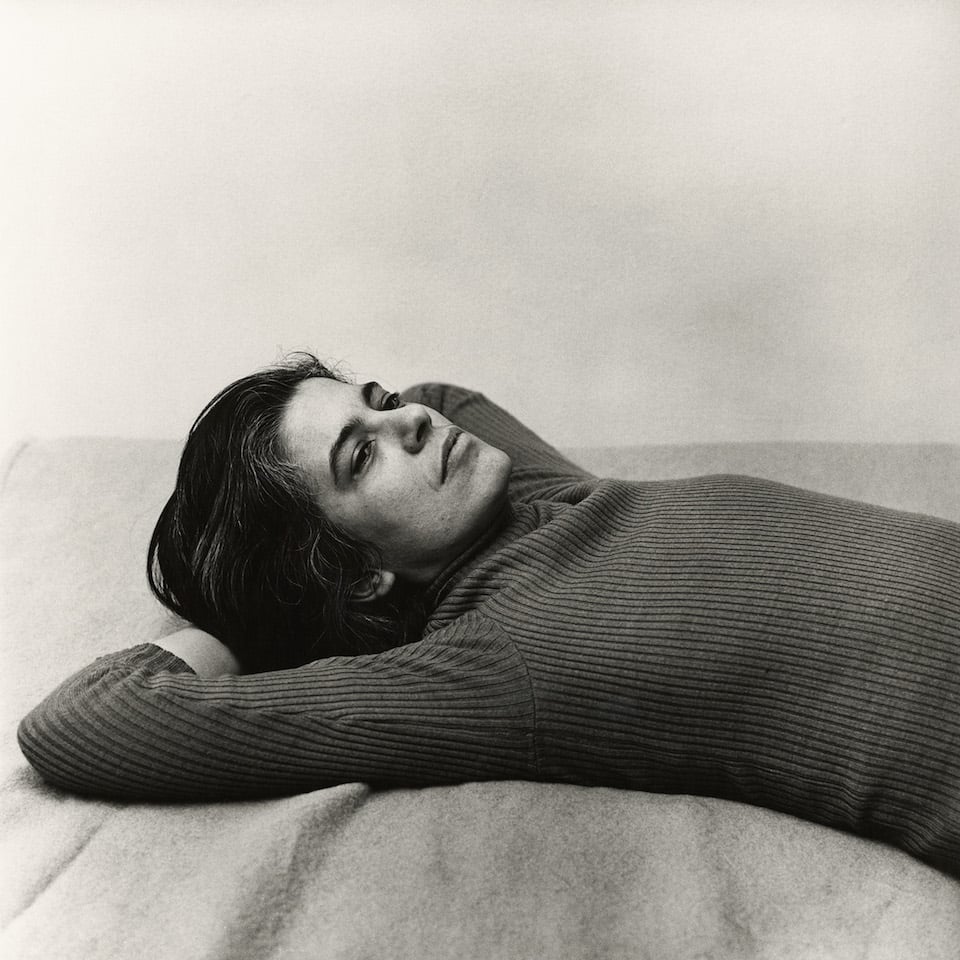
Susan Sontag
A reciprocal portrait economy links Susan Sontag’s theorization of photography’s ethics and spectatorship to Peter Hujar’s intimate, unsentimental image-making, where friendship and intellectual endorsement become part of the work’s meaning. Situated in 1970s downtown New York, Hujar’s uncompromising black-and-white practice frames portraiture as a cultural document of subcultural modernity and mortality, shadowed by the AIDS crisis and the politics of visibility.
Read more
[ KADIST ]
[ e-flux ]
[ e-flux ]
Incomplete Messengers: Notes on Heavy Equipment
Photography is framed as a time-shifting, materially fragile relay system in which lesbian feminist image-making (1970s–90s) emerges through messy collectivities, DIY distribution, and archival dispersal, while the camera’s presence inside images exposes the labor, mediation, and partiality of historical record. Against nostalgia, the text critiques identity-category consolidation and captioning/credit regimes through intersectional and Trans* analytics, foregrounding how whiteness, anonymity, and trans-exclusion haunt “lesbian photography” even as these images remain vital sites for re-reading power, consent, and community memory in the present.
Read more

[ e-flux ]
Back to top